
Consistency is built, not found
Most people wait to feel motivated before they train. That works for a week or two, then life gets loud. Consistency improves when your workouts are realistic, scheduled, trackable, and connected to a plan you understand.
Make the first step smaller
A perfect 90-minute workout that never happens is less useful than a 35-minute session you complete. Lower the startup cost by choosing workouts that fit your current schedule. Once the habit is stable, you can add more volume or intensity.
Know exactly what you are doing before you start
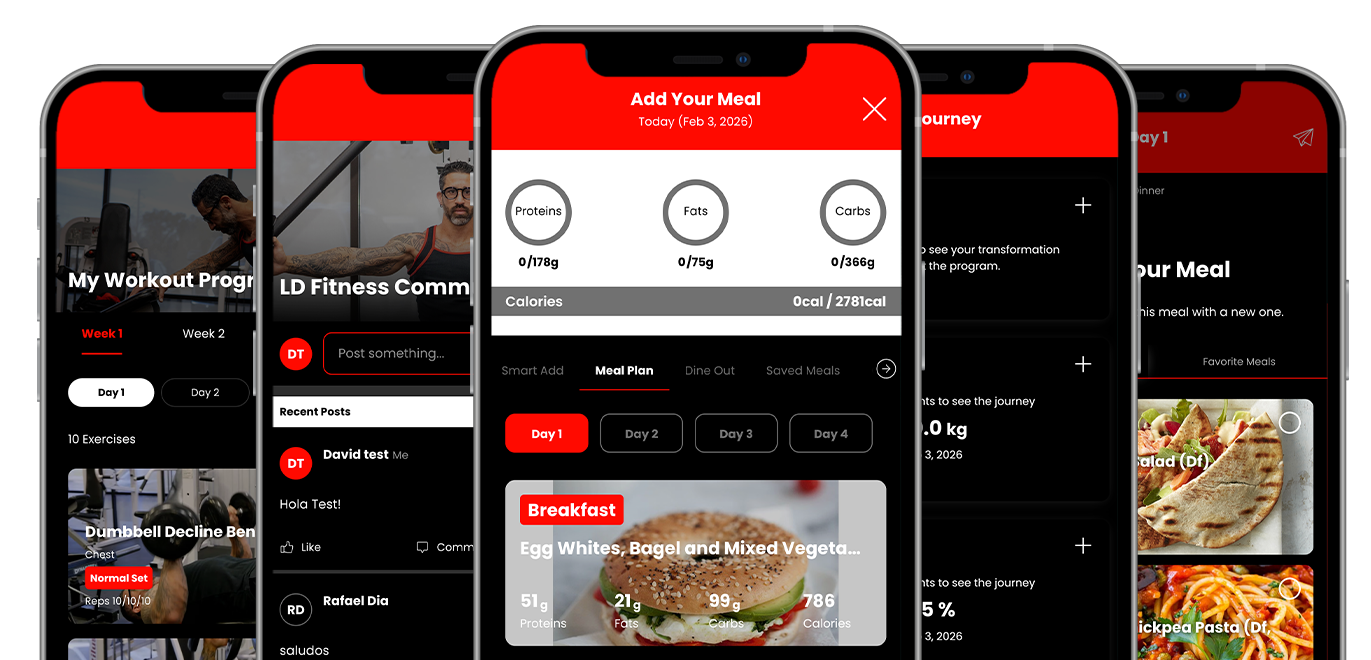
Decision fatigue kills consistency. If you walk into a workout still deciding what to train, it is easier to skip or drift. A personalized plan removes the guesswork so you can open the app and get to work.
Use a backup plan
Missed workouts happen. Travel, work, family, stress, and low-energy days are part of life. A good program includes backup options, home workouts, exercise swaps, and ways to keep momentum without pretending every week will be perfect.
Track completion and progress
Tracking makes consistency visible. When you can see completed workouts, habits, food diary entries, measurements, and progress, the plan feels more concrete. It also helps a coach know when to adjust the program.
Do not restart every time life interrupts you
The biggest consistency mistake is treating every disruption like failure. LD Fitness helps members adjust after difficult weeks instead of abandoning the plan. That is where accountability matters most.